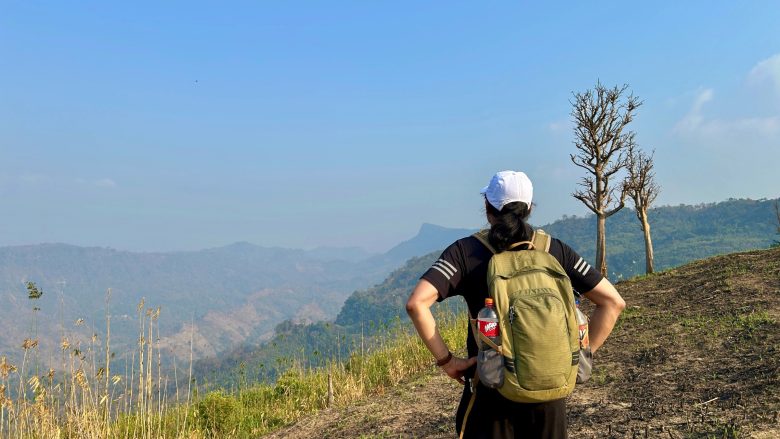
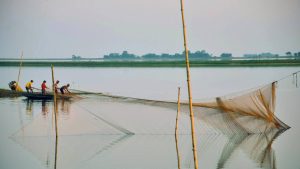
পাহাড় আমাকে তেমন টানে না। আমার প্রিয় গন্তব্য হচ্ছে পানি। খাল, বিল, হাওড়, নদী, সাগর, দ্বীপ—নৌকা, জাহাজ, বইঠা, সাঁতার—সুযোগ পেলেই ঝাঁপ দিতে মন চায় আমার। তবে কালে ভদ্রে পাহাড়ে চড়া হয়েছে বৈ কি!
প্রথম উল্লেখযোগ্য পাহাড় বাউয়ার অভিজ্ঞতা কানাডায়। ব্লু মাউন্টেনে চড়েছিলাম মাইনাস আঠারো ডিগ্রি তাপমাত্রায়। স্নো-শু পরে বরফে ঢাকা পাহাড় ধরে পাঁচ কিলোমিটার উত্তরণ। মাঝে পথ হারিয়ে আতঙ্কে দিশেহারা হয়েছিলাম, তারপর আমাদের সাথের কুকুরটা ফেরত এসে আমাকে পথ দেখিয়ে বাকি পথ নিয়ে গেল। চূড়ায় পৌঁছে মূর্ছা গেলাম। প্রায় আধা ঘন্টা পর জ্ঞান ফিরলে গরম দুধ আর কফি খেয়ে বাঁচলাম সে যাত্রা। এরপর শুনি নিচ থেকে ব্লু মাউন্টেনের চূড়ায় পোঁছানোর জন্য ক্যাবল কার ছিল! আমি চেতেমেতে বললাম, তাহলে আমরা কোন দুঃখে এত কষ্ট করে স্নো-শু পরে পাঁচ কিলো হেঁটে উঠলাম?
এর উত্তর আসলে পাহাড় চূড়ায়, বা গন্তব্যে নাই, আছে পথে। পাহাড়ের পথে বাঁকে বাঁকে যে সব দৃশ্য চোখে পড়ে, প্রকৃতির নিষ্ঠুর অহংকারী সৌন্দর্য—তা শত ছবি, ভিডিও দিয়েও ব্যাখ্যা করা সম্ভব না। তার জন্য আপনাকে পাহাড় বাইতেই হবে। পাহাড়ে চড়ার আরেকটি প্রাপ্তি হচ্ছে, নিজের শরীরকে চেনা। পদে পদে আপনার মনে হবে এই বুঝি শেষ, এই সামনের টিলাটা চড়লেই সামিট, এই বুঝি আমি শেষ, আর তো পা চলে না। গরম, ঠান্ডা, ক্ষুধা, তৃষ্ণার শেষ বিন্দু পর্যন্ত টানার পর দেখবেন একটা অপার্থিব দৃশ্য চোখের সামনে, তখন কয়েকটা লম্বা দম নিলে আরো কয়েক কিলোমিটার উঠে পড়া যায়।
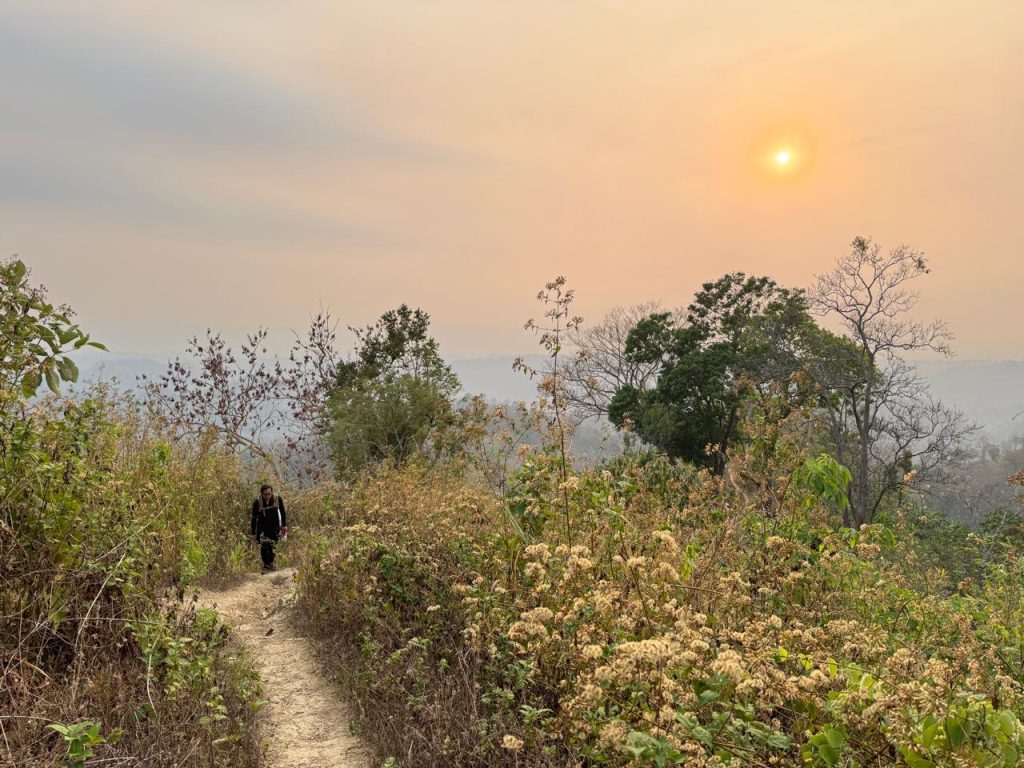
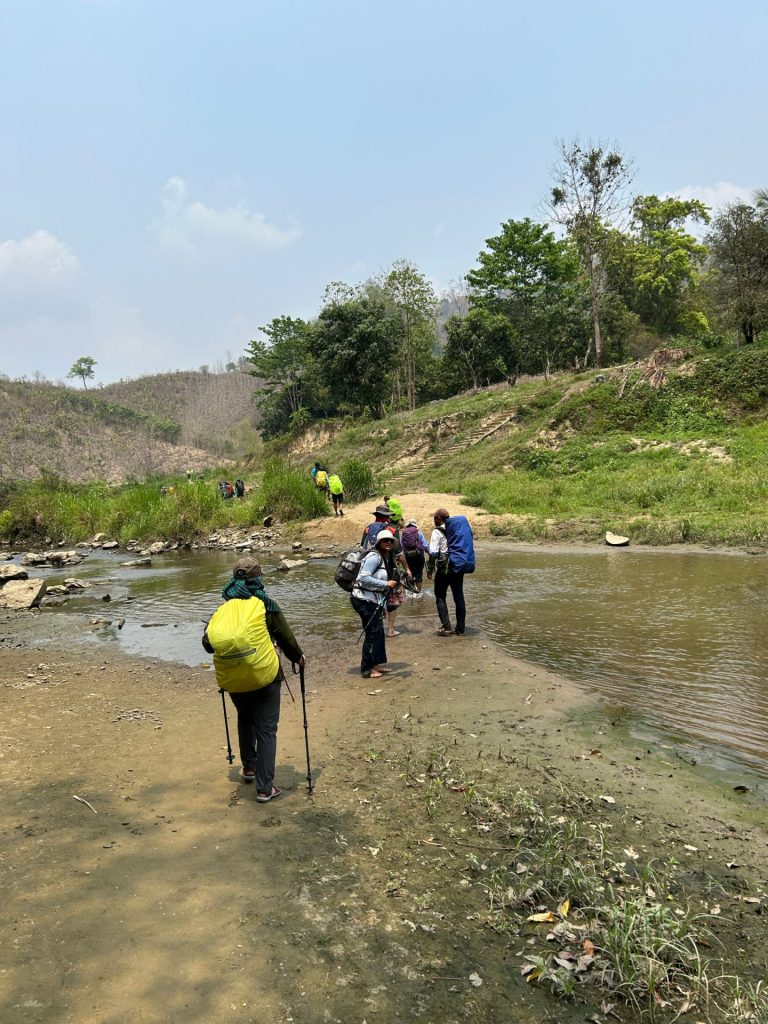
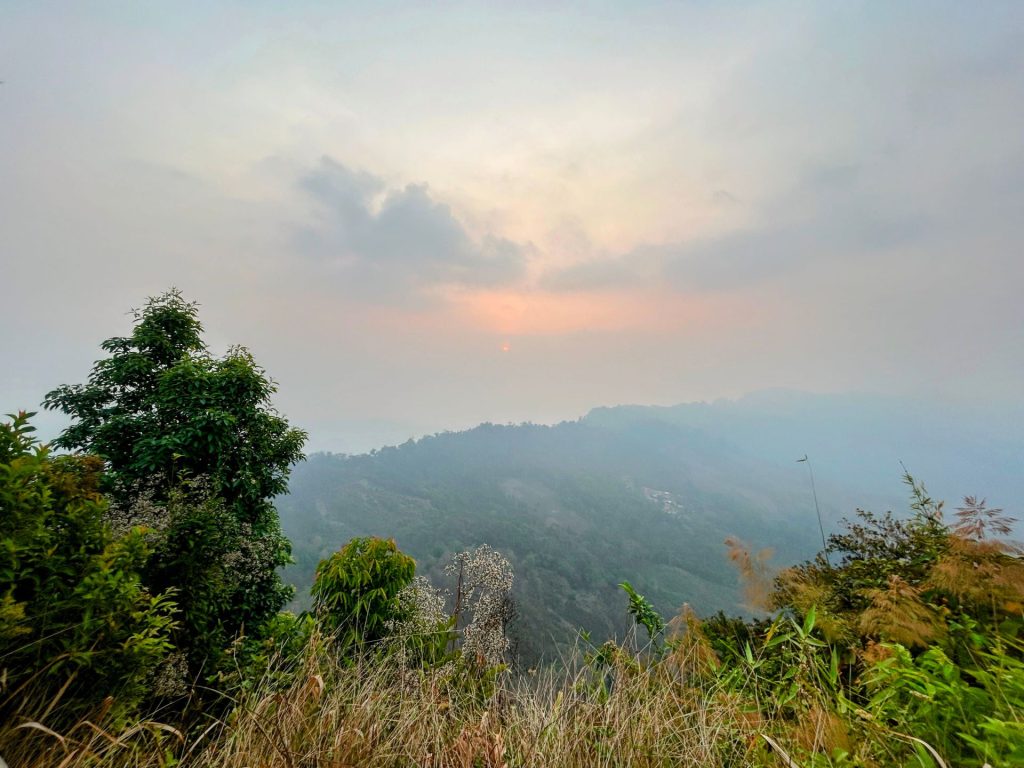
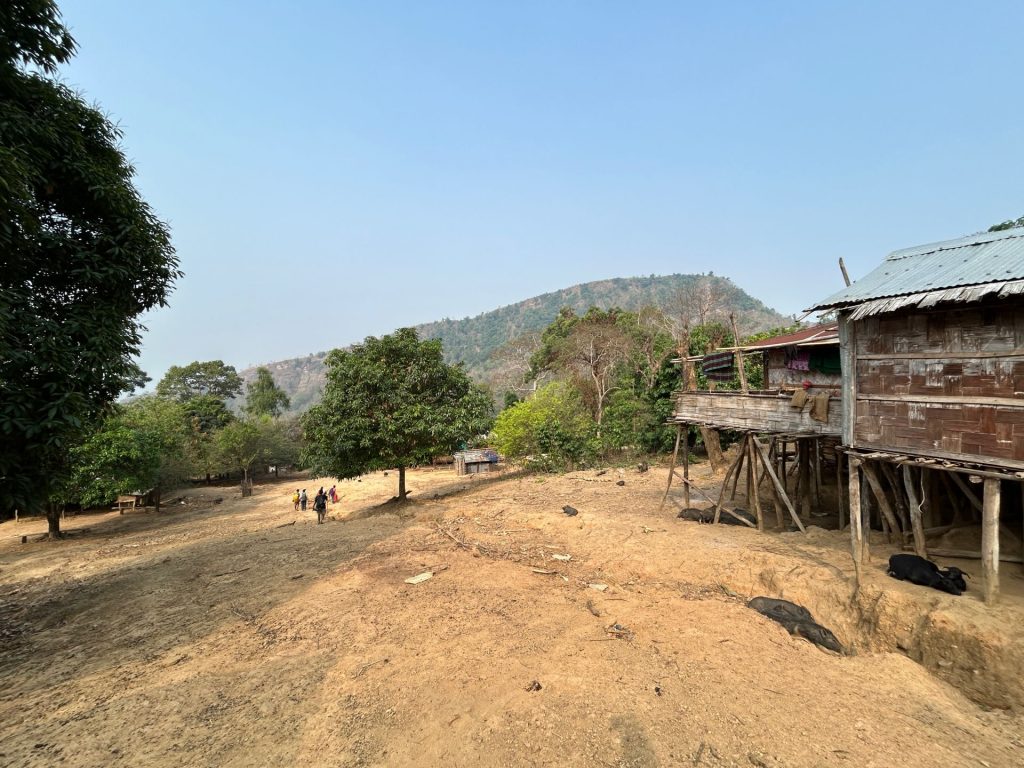
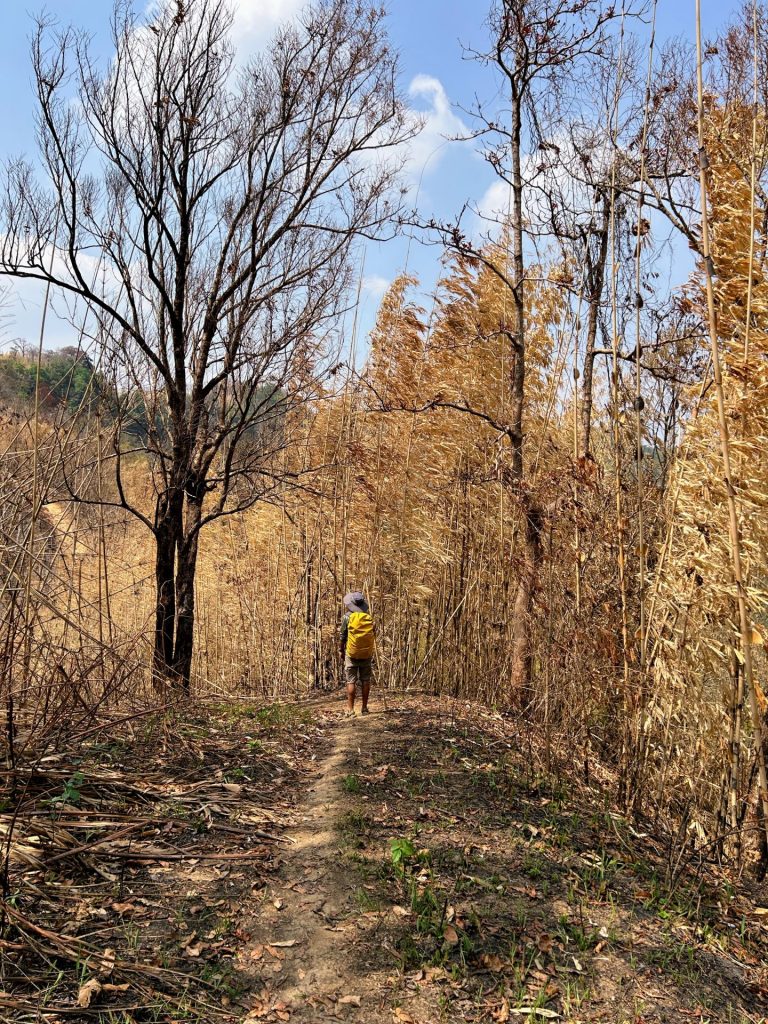
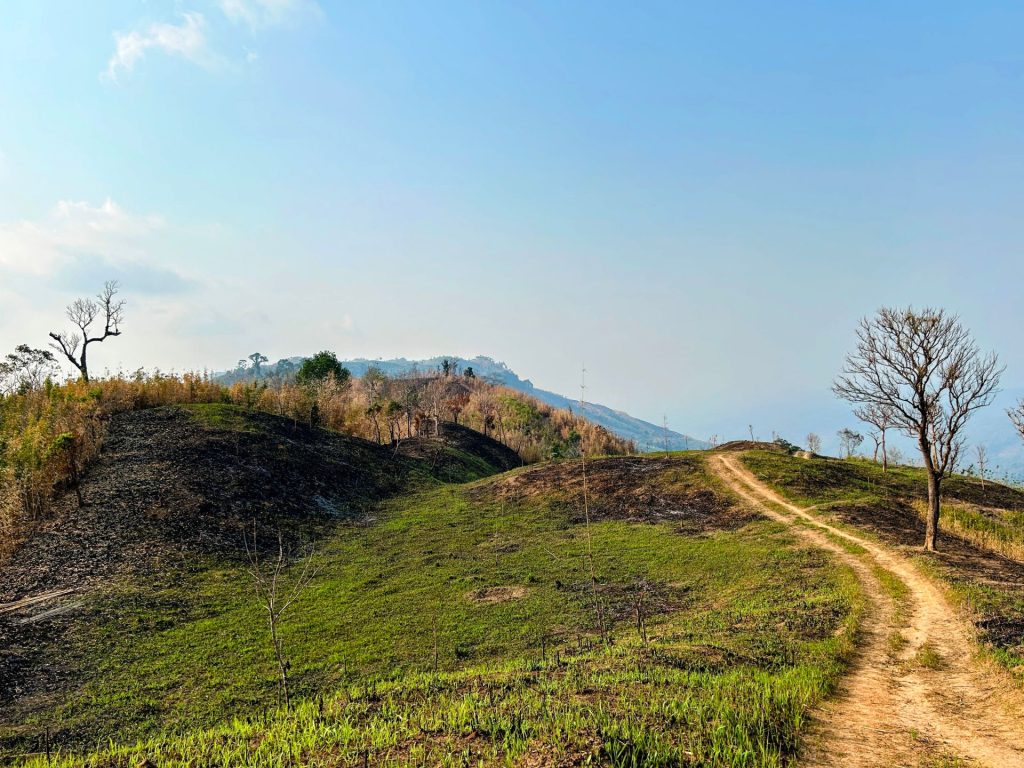
দেশের পাহাড়ে এর আগে কখনো চড়া হয়নি। বান্দরবানেও আগে কখনো যাইনি। মাস কয়েক আগে লোভ করে দুনিয়ার আরেক প্রান্তে একটা বড়ো পাহাড়ে চড়ার পরিকল্পনায় যুক্ত হয়েছি। এর প্রস্তুতি হিসেবে আমাদের দুই আয়োজক নিশাত মজুমদার (এভারেস্ট বিজয়ী প্রথম বাংলাদেশী নারী) আর অনু তারেক ভাই বান্দরবানে দুই দিনের পাহাড় চড়ার আয়োজন করলেন। পাহাড়ের ব্যাপারে আমি নিতান্তই নোভিস। উনাদের পরিকল্পনা আর পরামর্শই ভরসা। তারপরও অসংখ্য ভুল করেছি, ব্যাগ গুছানো, পানি নেওয়া, পাহাড় চড়ার সময় পানি, স্যালাইন, খাবার, এগুলোর রেশনিং—কত কিছু যে শেখার আছে!
নিশাত আপা যে পথ ডিজাইন করেছিলেন তা (অন্তত, আমার কাছে) অত্যন্ত দুরূহ ছিলো। প্রচণ্ড গরমের মধ্যে, মাইলের পর মাইল, হাঁটা, চড়া, নামা, খাল-ছড়া পার হওয়া—কিছুক্ষণ পর পর মনে হয়েছে, কেন আসলাম এখানে, আমি কি একটু পর মারা যাচ্ছি! শারীরিক ক্ষমতার শেষ সীমা পর্যন্ত টেনে হিঁচড়ে নিতে নিতে যখন আর পারি না, তখন দলের কেউ না কেউ সাহায্য করেছে, উৎসাহ দিয়ে বাকিটা পথ পাড়ি দেওয়ার শক্তি জুগিয়েছে।
প্রথম দিনের প্রচণ্ড কষ্টকর ট্রেক শেষে আমরা একটা পাহাড় চূড়ার উপরে খুব ছোট্ট একটা আদিবাসী গ্রামে রাত কাটানোর জন্য থিতু হোলাম। গ্রামের একমাত্র পানির উৎস প্রায় একশ ফিট খাড়া পাহাড়ের নিচে একটা ঝরনা। উপরে সবাই প্রত্যেক বিন্দু পানি গুনে গুনে খরচ করে। পনির কষ্ট যে কী কষ্ট সেটা এই দুই দিনে হাড়ে হাড়ে টের পেয়েছি। এবং শহরে আমাদের পানি খরচের হুল্লোড়ের প্রতি আমার বিরক্তি ও ক্ষোভে শান দিয়েছি।
পরের দিন ভোর চারটায় ঘুম থেকে উঠে আমরা আবার রওনা দিলাম, উদ্দেশ্য রোংরাং পাহাড় চূঁড়ায় পৌঁছানো। রোংরাঙে পৌঁছে দেখি সূর্য কেবলে উঠছে, নেশা ধরানো ছবি চারপাশে। রোংরাং চূড়া সেরে নিচে নেমে আসাটা প্রথম দিনের চেয়েও কয়েক গুণ লম্বা ছিল, কোন বিরতি ছিলো না, পথে পানির কোন উৎস ছিলো না—তারপরও প্রথম দিনের চেয়ে কেন যেন কষ্ট কম লেগেছে বলে মনে হলো।
মানুষ এই যে পাহাড়ে উঠে, বিভিন্ন খবর-টবর হয়, ব্যাপারটা আমি তেমন পাত্তা-টাত্তা দিই না। এসব গল্প আমাকে কোনো উৎসাহ দেয় না। বরং ভাবায়, কী দরকার, কী হয় পাহাড়ে উঠে? আর কেউ যখন উঠলো তো সেই খবর দিয়ে আমি কী করবো? পৃথিবীর মানুষের কোন উপকারটা হচ্ছে পাহাড়ে চড়ে? পাহাড় চড়া আমার কাছে সবময়ই একটা স্বার্থপর কর্মকাণ্ড বলে মনে হয়েছে।
এবারের অভিজ্ঞতার পর মনে হলো, পাহাড় বাউয়ার সবচেয়ে বড় উপযোগিতা হচ্ছে মানুষের মধ্যে হিউমিলিটি আর টিমওয়ার্কের চর্চা বাড়ানো। হিউমিলিটি আসে নিজের শরীর ও মনের শক্তির সীমাবদ্ধতা চোখের সামনে দেখতে পেলে, প্রকৃতির বিশালতা ও মৃদু হাসির সাথে লুকিয়ে থাকা শান্ত ভয়াবহতা টের পেলে। পাহাড়ে চড়লে মানুষ বদলায়। চোখের সামনে নিজেকে তুচ্ছ, ক্ষুদ্র, ধুলিকণার মত অসহায় হতে দেখলে অহংকার কমে। তাই পাহাড় আপনাকে টানুক আর না টানুক, নিজেই নিজেকে টেনে পাহাড়ে উঠানো সবার জন্য জরুরি।
দুদিনের এই লাইফ চেঞ্জিং অভিজ্ঞতার জন্য, নিশাত মজুমদার, অনু তারেক, সকল সহযাত্রী ও আমাদের ম্যানেজারবৃন্দ জুম ওয়াইল্ড ট্রাভেলের হাসান মুরাদ, গিয়াস উদ্দিন, নুরুল ইসলাম রাজু সবাইকে অসংখ্য ধন্যবাদ।
[Machine Translation]
Mountains don’t really pull me. My favourite destination is water. Canals, beels, haors, rivers, seas, islands—boats, ships, oars, swimming—whenever I get the chance, I feel like jumping right in. But, I have climbed a mountain once in a blue moon!
My first notable mountain climbing experience was in Canada. I climbed Blue Mountain at minus eighteen degrees. A five-kilometre ascent up a snow-covered mountain wearing snowshoes. Midway, I lost my way, and was paralysed with panic, until the dog that was with us came back, showed me the way, and guided me the rest of the trip. Reaching the peak, I fainted. After regaining consciousness about half an hour later, warm milk and coffee saved my life that day. Then I hear there was a cable car from the bottom to the peak of Blue Mountain! I got all riled up and asked, “Then why on earth did we suffer so much, strap on snowshoes, and hike five kilometres up?”
The answer to that isn’t actually at the mountain peak or the destination; it’s in the journey. The sights you see at every bend of a mountain trail, the cruel, arrogant beauty of nature—it cannot be explained with a hundred photos or videos. For that, you simply have to climb the mountain yourself. Another reward of climbing a mountain is getting to know your own body. At every step, you’ll feel like this is it, just climbing this next mound is the summit, this is the end for me, my legs just won’t move anymore. After pushing through heat, cold, hunger, and thirst to the absolute limit, you’ll see an unearthly scene unfold before your eyes—and right then, taking a few deep breaths somehow gives you the strength to climb a few more kilometres.
I had never climbed a mountain in my own country before. I hadn’t even been to Bandarban. A few months ago, out of sheer greed, I joined a plan to climb a massive mountain on the other side of the world. As preparation for this, our two organisers, Nishat Majumder (the first Bangladeshi woman to conquer Everest) and Anu Tarek bhai, organised a two-day trek in Bandarban. I am an absolute novice when it comes to mountains. Their plans and advice were my only hope. Even so, I made countless mistakes—packing my bag, carrying water, rationing water, saline, and food during the climb—there is just so much to learn!
The route Nishat apa designed was (at least to me) incredibly gruelling. In the extreme heat, walking mile after mile, climbing, descending, crossing canals and streams—every so often I kept thinking, why did I come here, am I about to die in a few minutes? While dragging myself to the absolute limit of my physical abilities, just when I couldn’t go on anymore, someone from the team always stepped in to help, encouraging me and giving me the strength to cross the rest of the way.
After a tremendously exhausting trek on the first day, we settled down to spend the night in a tiny indigenous village atop a mountain peak. The village’s only water source was a waterfall about a hundred feet down a steep cliff. Up top, everyone spends every single drop of water meticulously. The true hardship of water scarcity is something I felt in my bones over these two days. And it really sharpened my annoyance and anger towards the reckless way we waste water in the city.
The next day, waking up at 4 am, we set out again, our goal being the Rongrang mountain peak. Arriving at Rongrang, I saw the sun just beginning to rise—an intoxicating view all around. The descent from the Rongrang summit was several times longer than the first day, there were no breaks, and no water sources along the way—yet, somehow, it felt less difficult than the first day.
People climbing mountains and making the news—I never really paid much attention to it. Those stories don’t inspire me. Instead, they make me wonder: What’s the point? What actually happens when you climb a mountain? And if someone did climb it, what am I supposed to do with that news? How is it benefitting humanity? Mountain climbing has always seemed like a deeply selfish act to me.
After this experience, it felt like the biggest utility of mountain climbing is cultivating humility and teamwork among people. Humility comes when you witness the limits of your own physical and mental strength right in front of your eyes, when you sense the vastness of nature and the quiet terror hidden beneath its gentle smile. Climbing mountains changes people. Seeing yourself as insignificant, tiny, and as helpless as a speck of dust right before your own eyes diminishes your ego. So, whether mountains call to you or not, dragging yourself up one is essential for everyone.
For this life-changing two-day experience, a massive thank you to Nishat Majumder, Anu Tarek, all my fellow travellers, and our managers from Jum Wild Travel—Hasan Murad, Gias Uddin, and Nurul Islam Raju.
ভাই খুব ঘুরলেন!