[Originally written on 23rd February 2014, published on Jhalmoori]
I love to keep track of the altitude and speed whenever I fly. I always take a window seat and place my phone directly facing the window and turn on the GPS tracker. Although many airliners now have the ‘flight-show’ thingy running on the inflight entertainment display, but I love running my own trackers and record all through the journey (FYI, I keep other radio of the phone completely shut down, except the GPS connecting to the satellites and most certainly it doesn’t interfere with pilots’ radio.
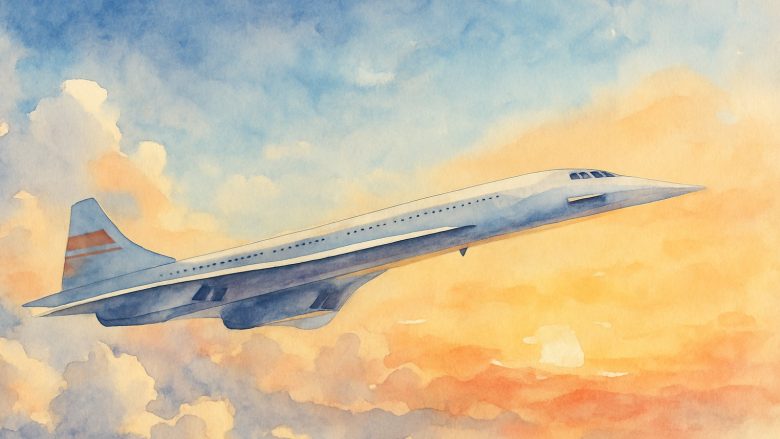
I guess you know that your phone’s GPS doesn’t need internet or mobile network to function). While tracking I kept thinking why our commercial aircrafts don’t fly faster? The top cruising speed is just around 800 – 1000 kmph in most of todays wide body aircrafts. While the Mach-1 speed is 1470 kmph. But wait, didn’t we hear about a supersonic commercial jet that could fly faster than Mach-1? Yes that epic aircraft was the supersonic Concorde. Where are the queen of the sky, the beautiful Concorde now? Sadly they have been grounded short after the disastrous crash in Paris in 2000.
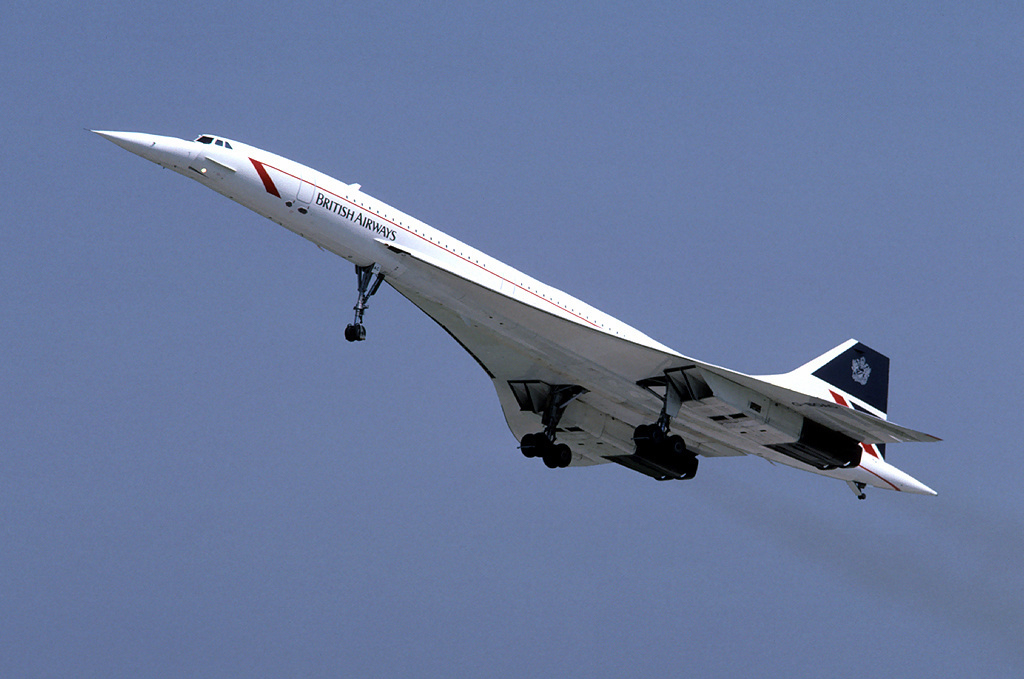
On 25th July 2000, Air France Flight 4590, crashed in Gonesse, France after departing from Paris Charles de Gaulle en route to John F. Kennedy International Airport in New York, killing all 100 passengers and nine crew members on board the flight, and four people on the ground while the plane crashed on a hotel building. It was one of the saddest moments in aviation history. Following the crash and the post 9/11 outcry about air traveling, Concorde started losing passengers. And in April 2003 two of the Concorde operators Air France and British Airways simultaneously declared the retirement of Concorde’s journey. That’s the end of the supersonic luxury of the air. Concorde ruled the speed arena in the sky for 27 years since 1976 until its retirement in 2003. It was also had been the safest working passenger airliner in the world according to passenger deaths per distance travelled, still it could not escape the fate of early retirement. And there is not another supersonic commercial airliner until these days.
Can you imagine what went wrong with the Flight 4590 that led to the deadly crash? It was a tiny little thing, a metal piece that fell off from a DC10 aircraft that took off right before the Concorde, leaving the death-note metal on the runway of Charles de Gaulle. That metal piece punctured a tyre on Concorde’s left main wheel bogie during takeoff. The tire exploded and pieces of shredded tire hit the wing at an extremely high speed, destroying an oil connection tube and an electrical cable inside. The electric spark led to a deadly combustion. The crew shut down engine number 2 in response to a fire warning, with one engine producing little thrust, the aircraft was unable to gain altitude or speed. It went through a quick pitch-up then a violent descent and finally crashed onto a nearby hotel, killing everyone onboard and 4 persons on the ground.
[Watch this episode of Air Crash Investigation on the Concorde Flight 4590 disaster, and his great documentary on the history of Concorde]
Now why this incident is important today? One reason I already said, I miss the glory of supersonic traveling, while our older generations got the chance to fly supersonic ‘like a boss’ and even in the year 2014 there’s no commercial supersonic jet to fly us, it’s sad and disappointing. Another reason is, on Thursday (February 20th) it was the last commercial flight of a DC10 aircraft in the world. It was operated by Biman Bangladesh Airlines from Dhaka to Birmingham. There will be a few recreational sightseeing flights of this DC10 in the UK then it will get back home to Dhaka. Later it will become an exhibit at the Museum of the Aircrafts in Seattle operated by Boeing as planned.
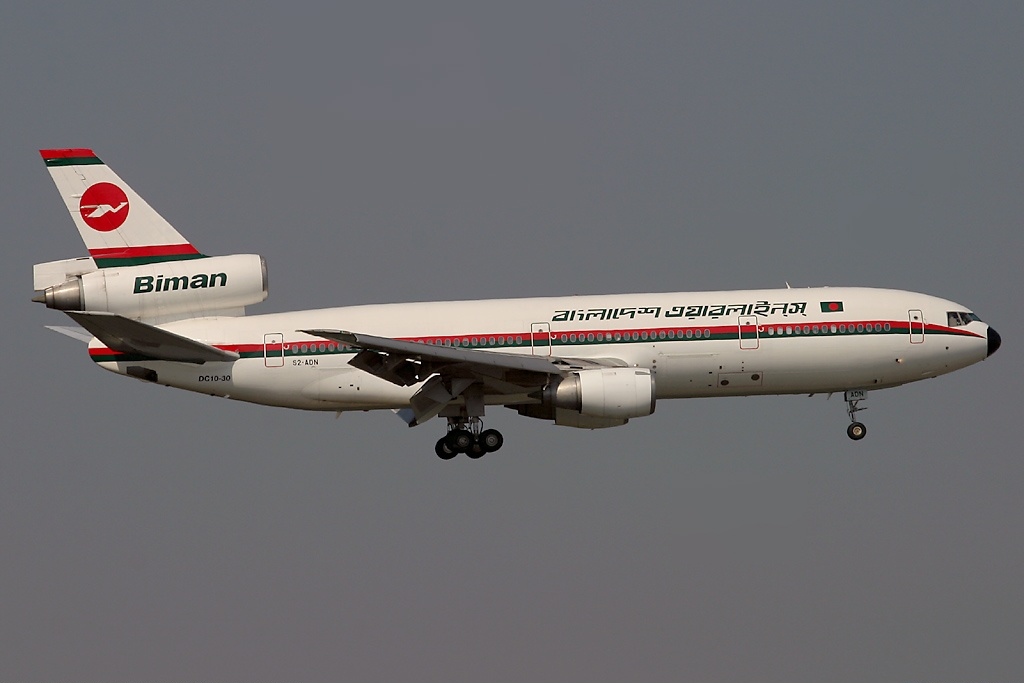
The moment I came to know about the reason of the tragic retirement of the only supersonic jet in the history I started hating the DC10s personally. They may be long lasting aircrafts with good track record, they might have served the local flag career Biman Bangladesh Airlines for decades, but I can’t forget the fact that a careless metal piece that fell from a DC10 engine caused the shutdown of the fastest, most beautiful and charming aircraft in the world and took 113 lives. The Concorde just could have survived a little longer, at least until when I started traveling!
Who knows we may be lucky to see commercial jets that can fly beyond Mach 2 or even 3 in our lifetime. Lets hope for a transatlantic or transpacific flight that would take us to Los Angeles or Seattle from Dhaka non-stop and in less than 12 hours. While the recent non-stop distance and speed world record (in it’s weight class) is held by a Boeing 787 Dreamliner test flight, it flew 19,830 km nonstop from Boeing field in Seattle to Dhaka DAC on December 6, 2011 in around 22 hours. So it still seems like a far fetched hope and there’s a long way to go!